Applying Agile Principles for Continuous Tech Career Growth
Building your career backlog, prioritize, and then retrospecting for continuous improvement
Most career planning fails because it’s too vague. You know you want to “get better at leadership” or “learn cloud infrastructure” but there’s no system behind it. The intentions pile up. The work doesn’t get done.
Agile fixes that.
Write everything down, unfiltered
Every skill, certification, project, and leadership move you want. Don’t rank anything yet. Just get it out of your head and onto the page.
Then rewrite each item until it’s concrete enough to act on. “Learn Kubernetes” is a wish. “Complete the Kubernetes Basics course and deploy a demo cluster by March 1” is a backlog item. If you can’t tell whether it’s done, it isn’t ready for the backlog.
Prioritize on two axes
Impact and effort. Attack high-impact, low-effort items first, those are your quick wins. Park the low-impact ones or cut them. When two items tie, pick the one that opens a door to something bigger later.
Sprint in 2-4 week cycles
Pull 2 to 3 items into a sprint. Give each one a definition of done that a stranger could verify. “Deploy a demo cluster by day 10” passes that test. “Get better at Kubernetes” doesn’t.
Two weeks is short enough to hold your attention. Long enough to finish something real.
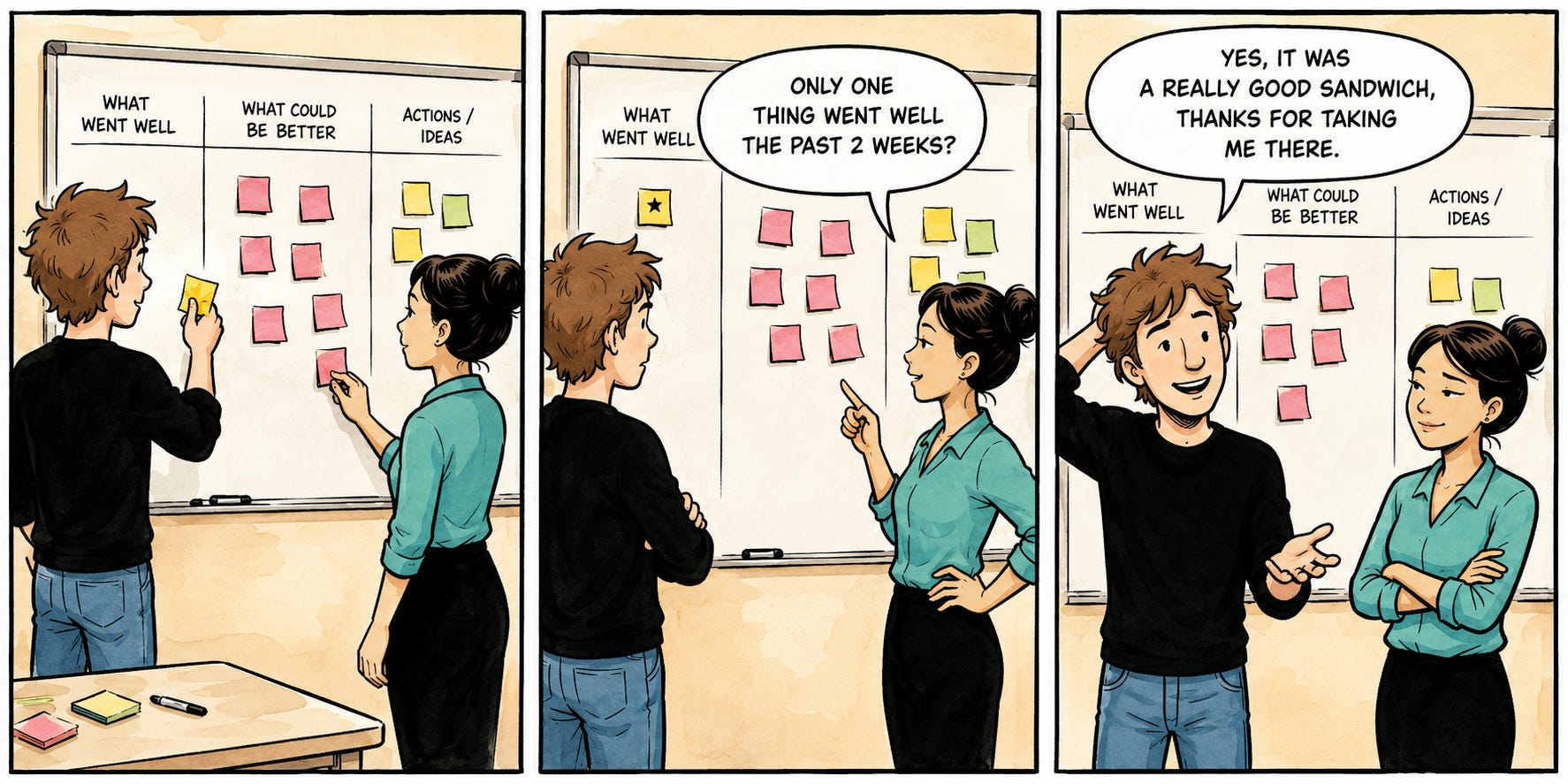
Retro every sprint
Three questions, every time. What did I finish? What blocked me? What do I change next sprint?
Log your wins somewhere visible: a doc, a portfolio, a running notes file. You’ll need the receipts when you’re negotiating a raise or sitting in an interview.
Momentum compounds
A Kubernetes cert becomes a proposal to migrate a service. That migration becomes a talk at a meetup. The talk becomes an inbound offer.
None of it required a five-year plan. It required a backlog, a two-week sprint, and the discipline to close the loop every time.
You’re not managing tasks. You’re shipping a career, one sprint at a time.


